|
|
|
2024.04.16

カテゴリ:カテゴリ未分類
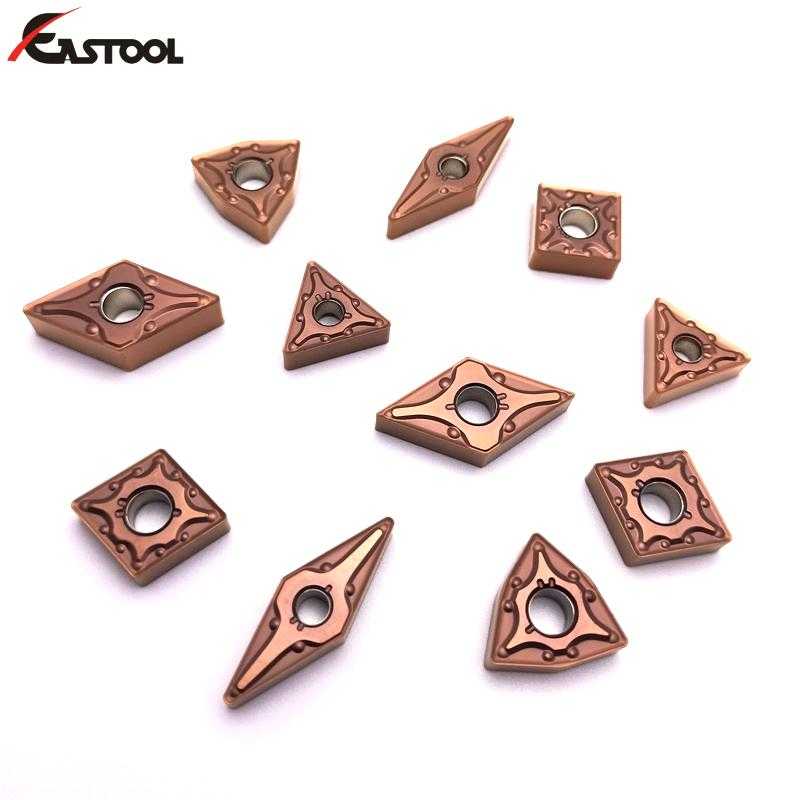
In the ever-evolving landscape of metalworking, innovation is key to staying ahead of the competition. Bar peeling, a process essential for achieving precise dimensions and smooth surface finishes in metal bars, has undergone a revolution thanks to advancements in insert technology. This article delves into the transformative impact of bar peeling inserts, exploring how they are reshaping the industry and setting new standards for efficiency and quality. The Evolution of Bar Peeling Inserts: Traditionally, bar peeling involved the use of solid tools or abrasive belts, which often resulted in significant material waste, long cycle times, and inconsistent surface finishes. However, with the advent of bar peeling inserts, manufacturers gained access to a more precise and efficient solution. These inserts, typically made from carbide or ceramic materials, feature specially designed cutting edges that remove material with unparalleled accuracy and repeatability. Enhanced Efficiency and Productivity: Bar peeling inserts have revolutionized the efficiency and productivity of the peeling process. By optimizing cutting geometries and coatings, these inserts can achieve higher cutting speeds and feeds, reducing cycle times and increasing throughput. Additionally, the modular design of inserts allows for quick and easy replacement, minimizing downtime and maximizing machine utilization. As a result, manufacturers can meet demanding production schedules while maintaining consistent quality standards. Improved Surface Finish and Dimensional Accuracy: One of the most significant benefits of bar peeling inserts is their ability to deliver superior surface finishes and dimensional accuracy. The precise cutting action of inserts ensures minimal material deformation and surface irregularities, resulting in bars with smooth surfaces and tight tolerances. This level of precision is essential for industries such as automotive, aerospace, and medical, where components must meet stringent specifications and performance requirements. Applications Across Industries: Bar peeling inserts find applications across a wide range of industries, from automotive drivetrain components to hydraulic cylinders and aerospace fasteners. In the automotive sector, bar peeling is used to produce high-quality shafts, gears, and transmission components that require precise dimensions and surface finishes for optimal performance. In aerospace, bar peeling is employed to manufacture critical components such as landing gear shafts and engine components, where safety and reliability are paramount. Future Trends and Innovations: As technology continues to advance, the evolution of bar peeling inserts shows no signs of slowing down. Emerging trends include the development of advanced coatings and substrates to further enhance cutting performance and tool life. Additionally, the integration of automation and digitalization is poised to streamline the peeling process, from tool selection and setup to monitoring and optimization. These innovations promise to drive further efficiency gains and quality improvements in bar peeling operations. お気に入りの記事を「いいね!」で応援しよう
最終更新日
2024.04.16 16:51:36
コメント(0) | コメントを書く 【毎日開催】
15記事にいいね!で1ポイント
|