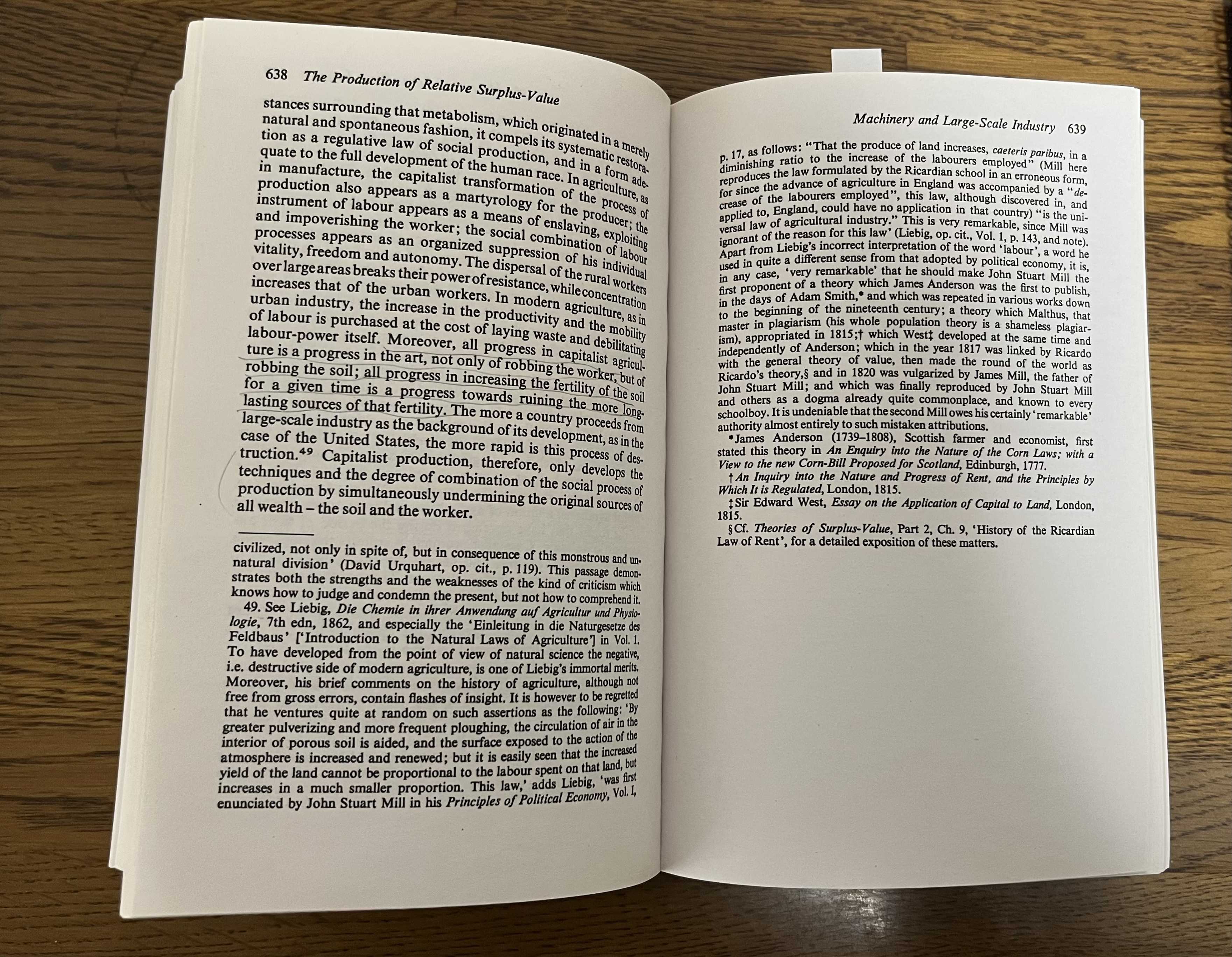
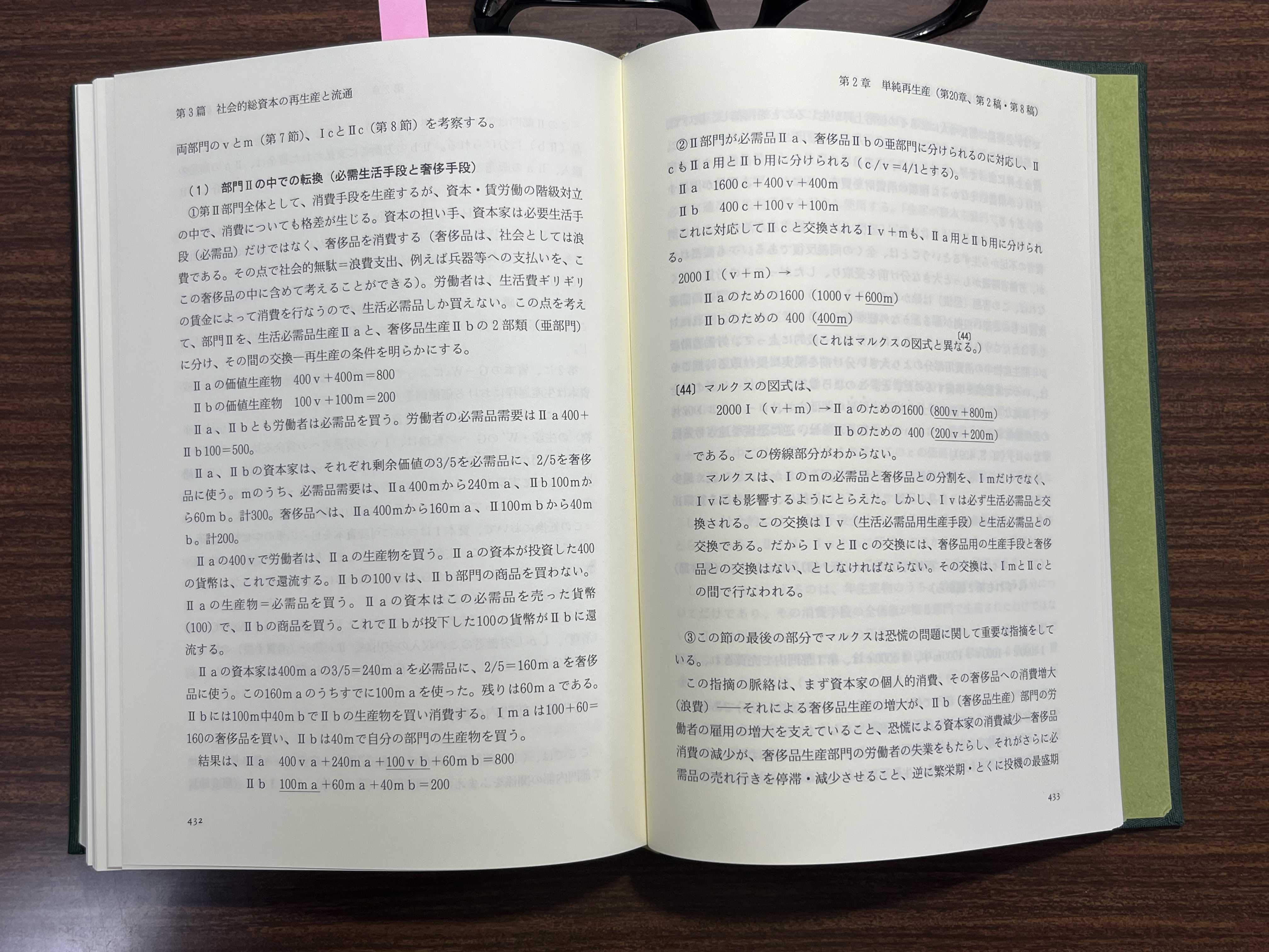
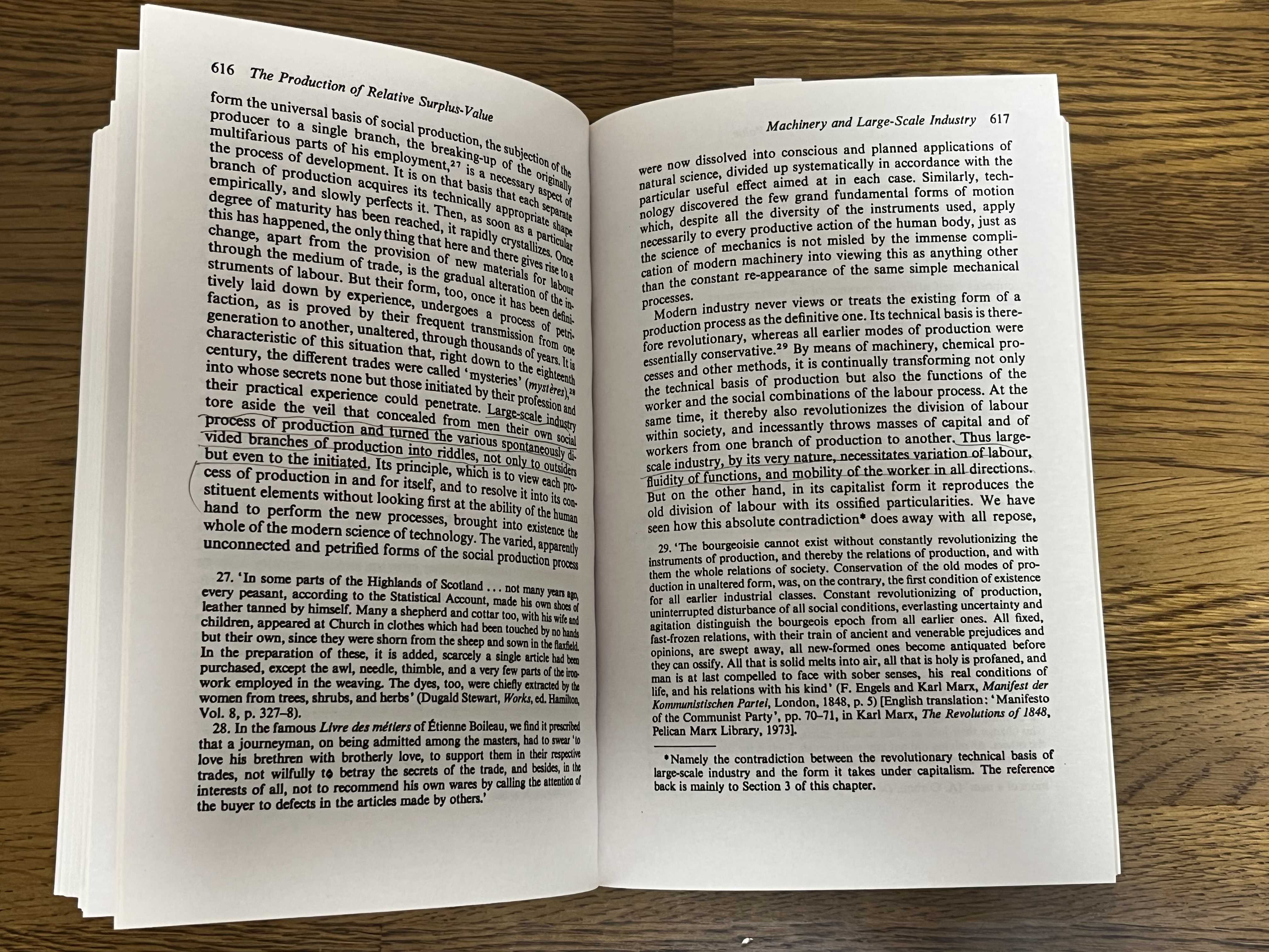
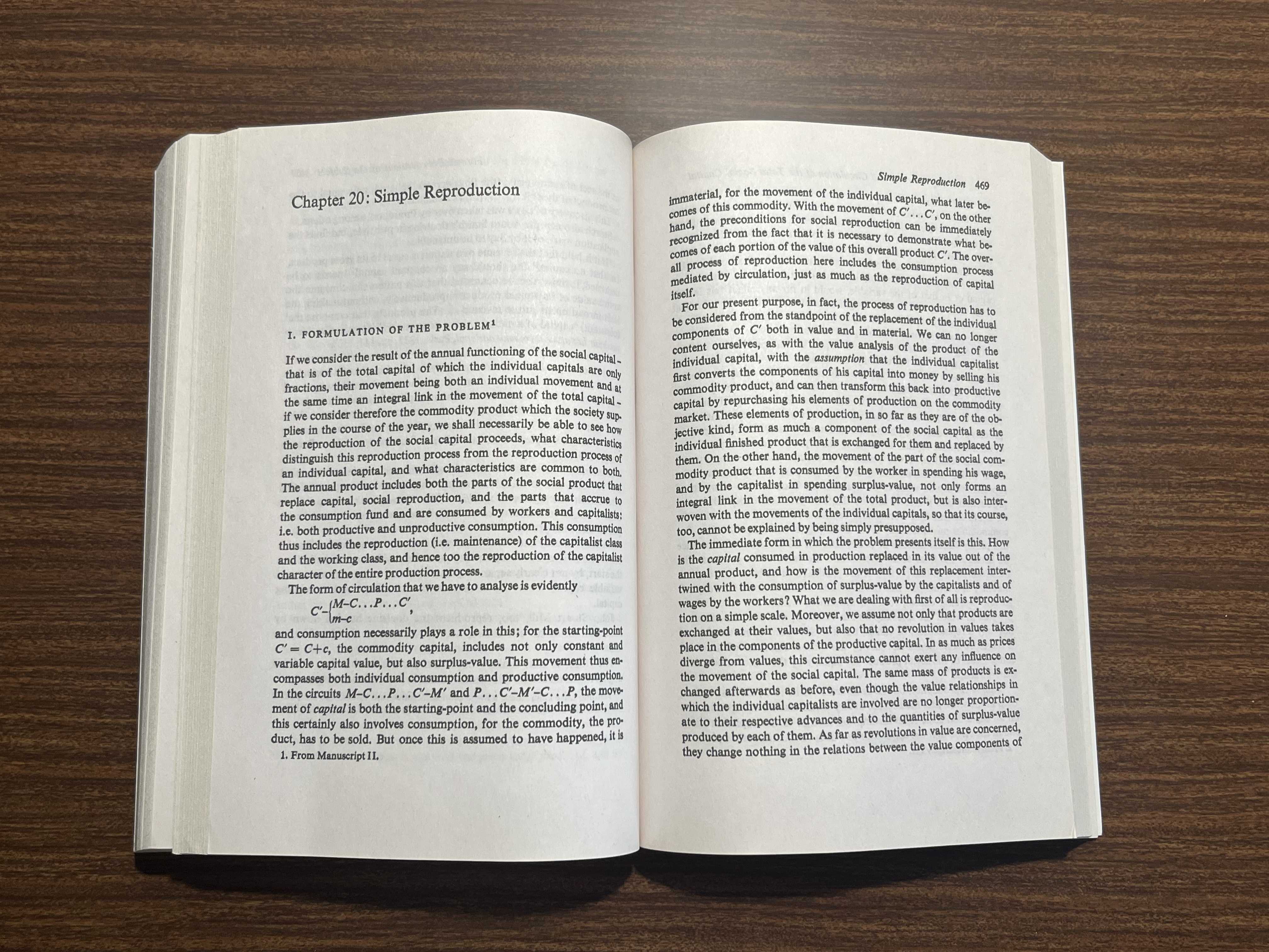
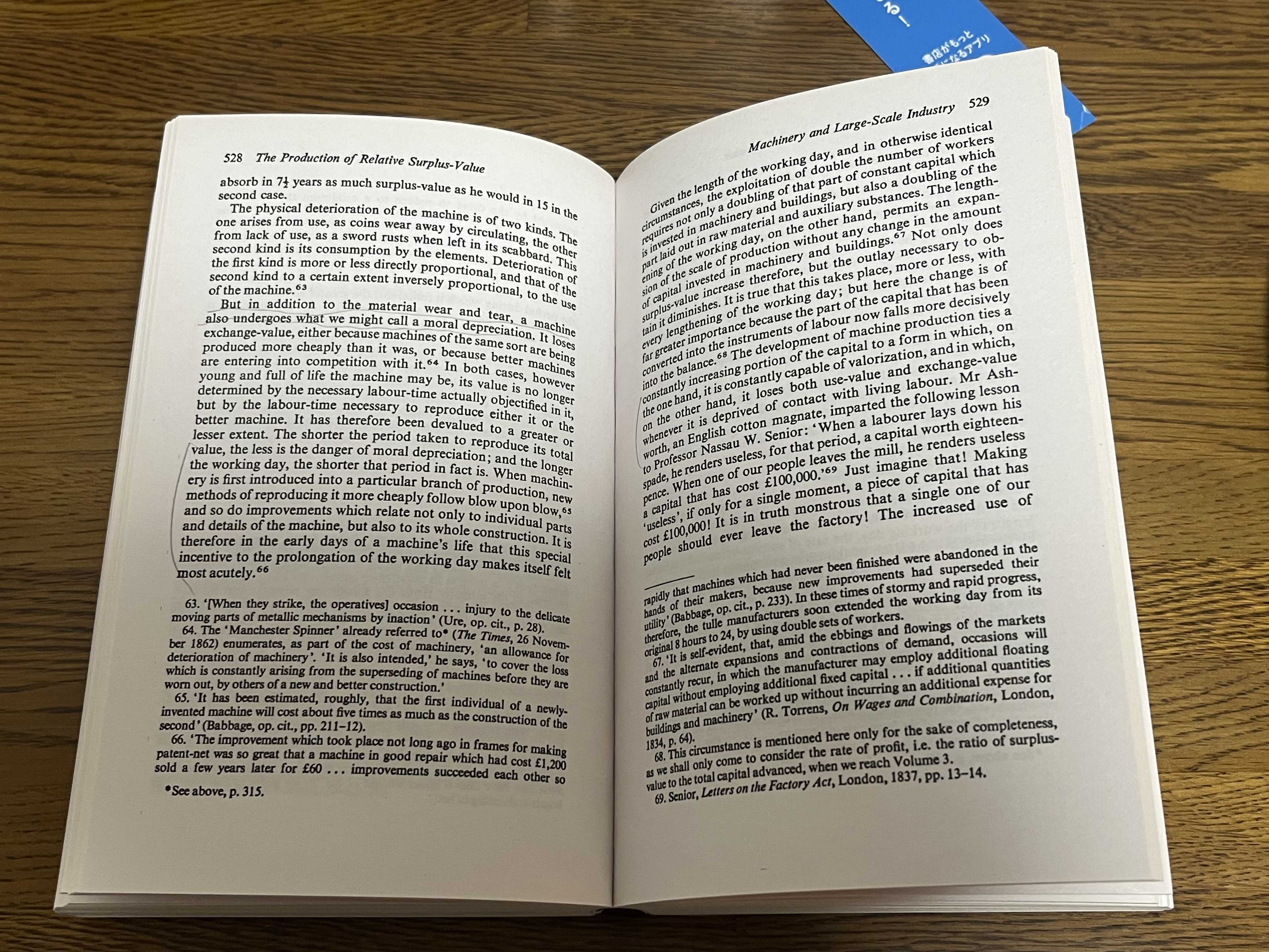
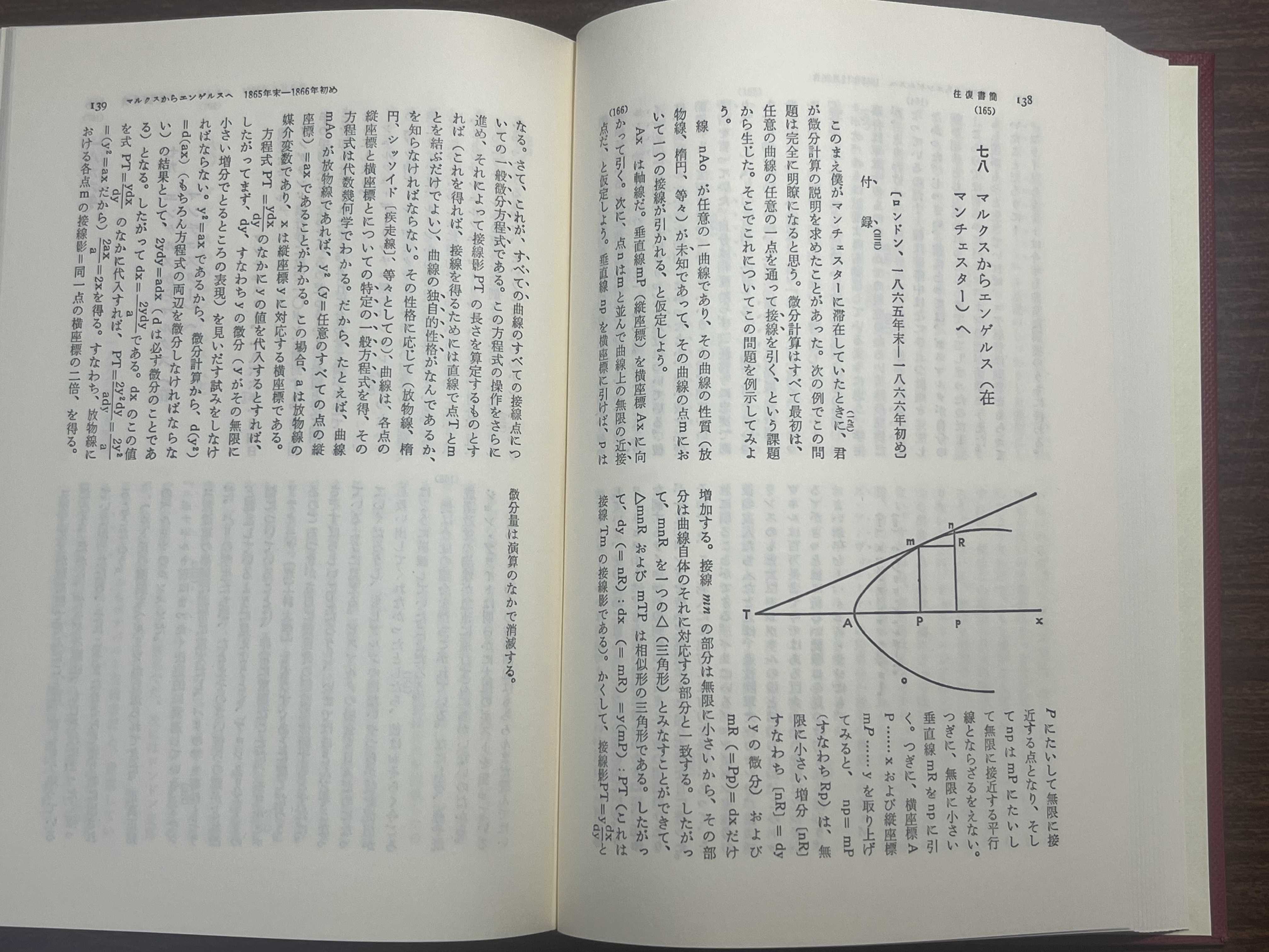
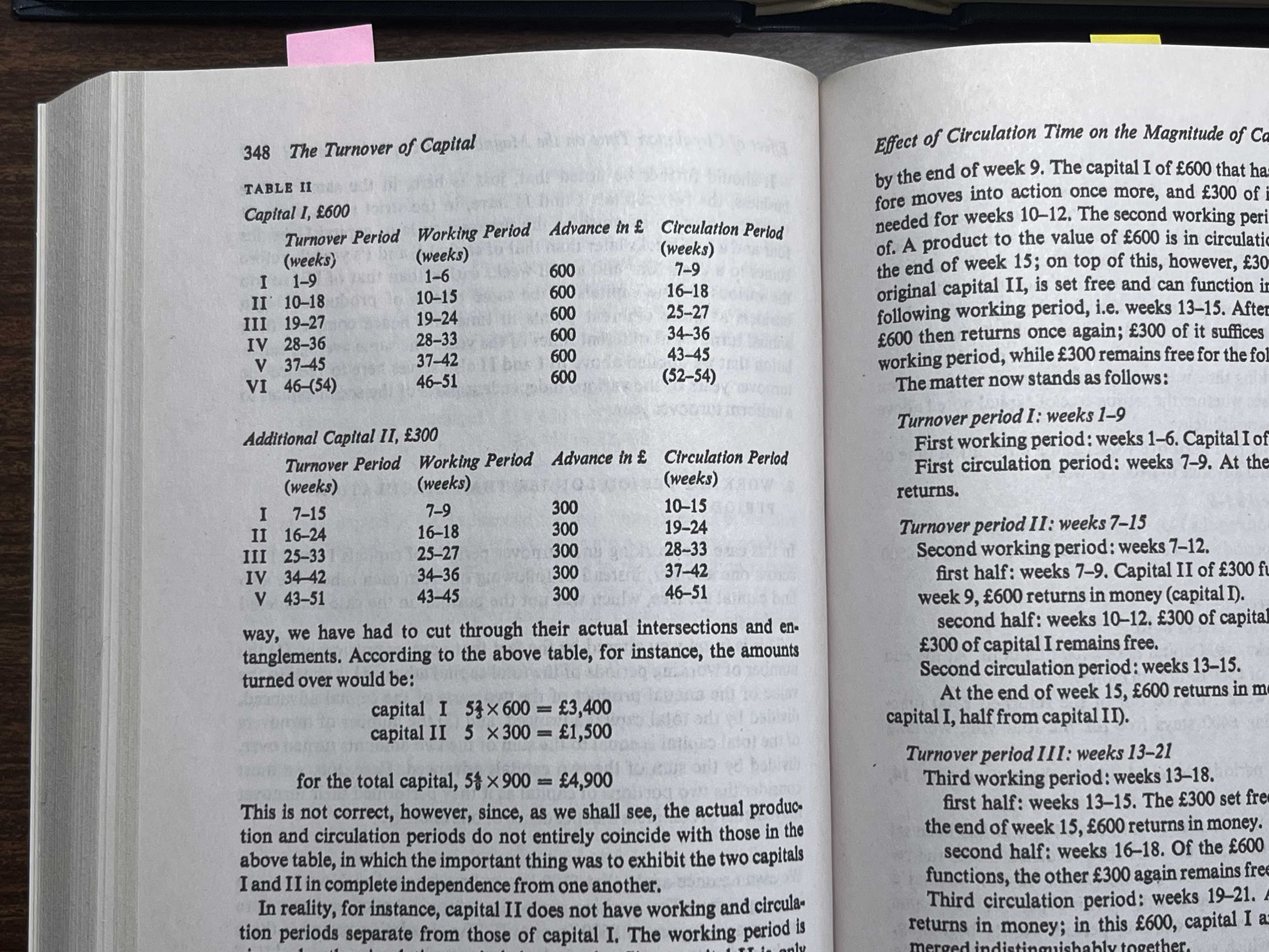
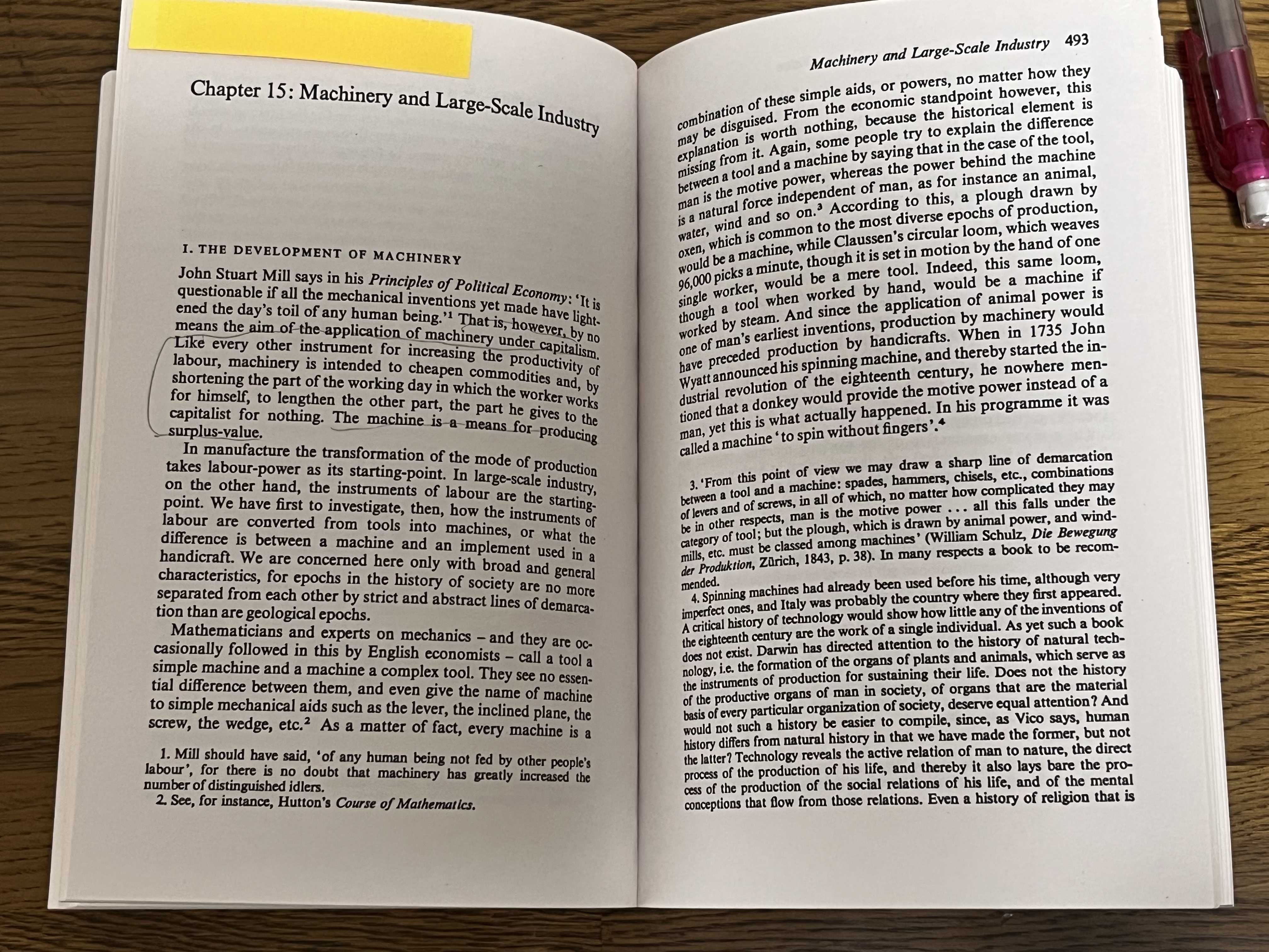
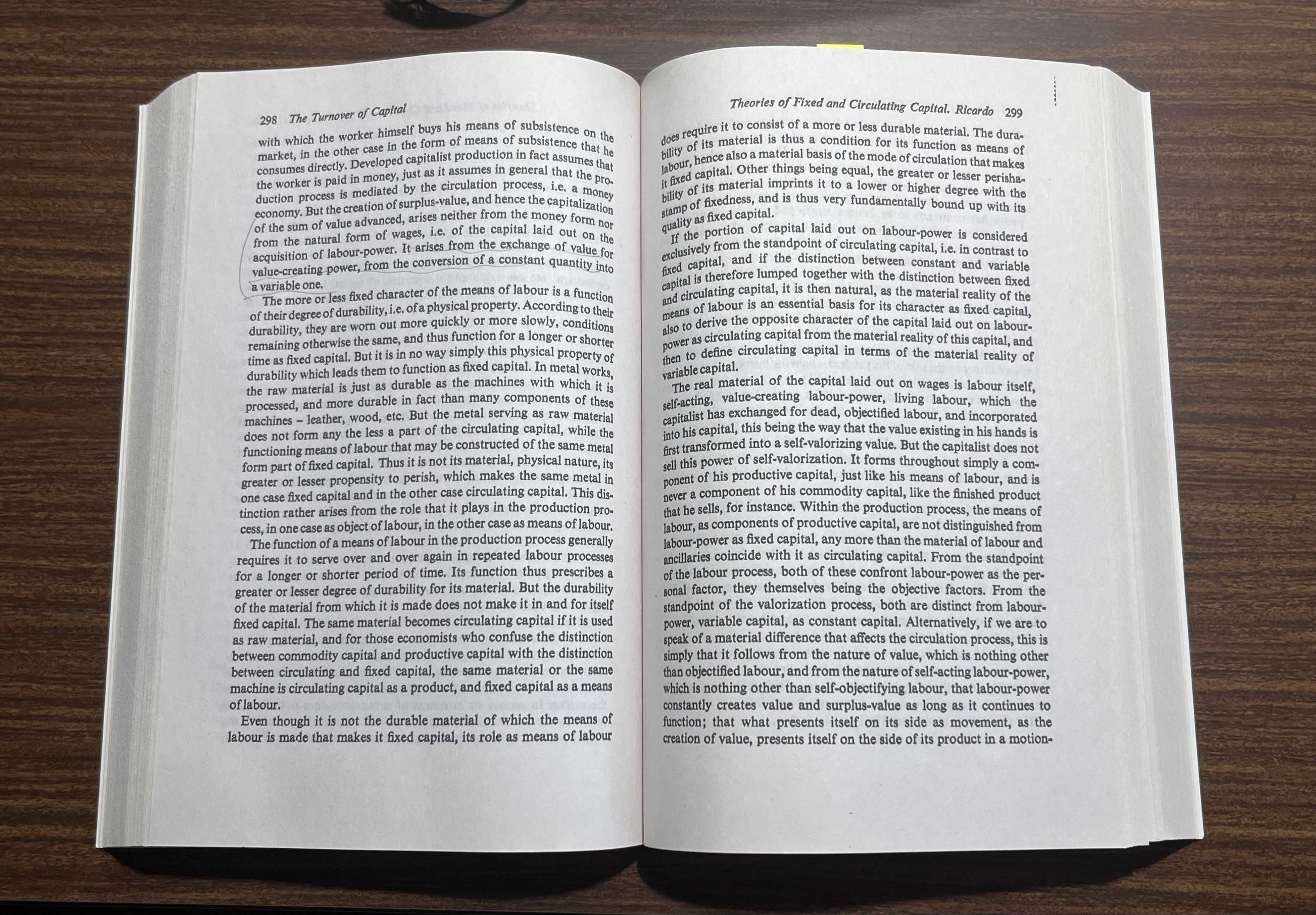
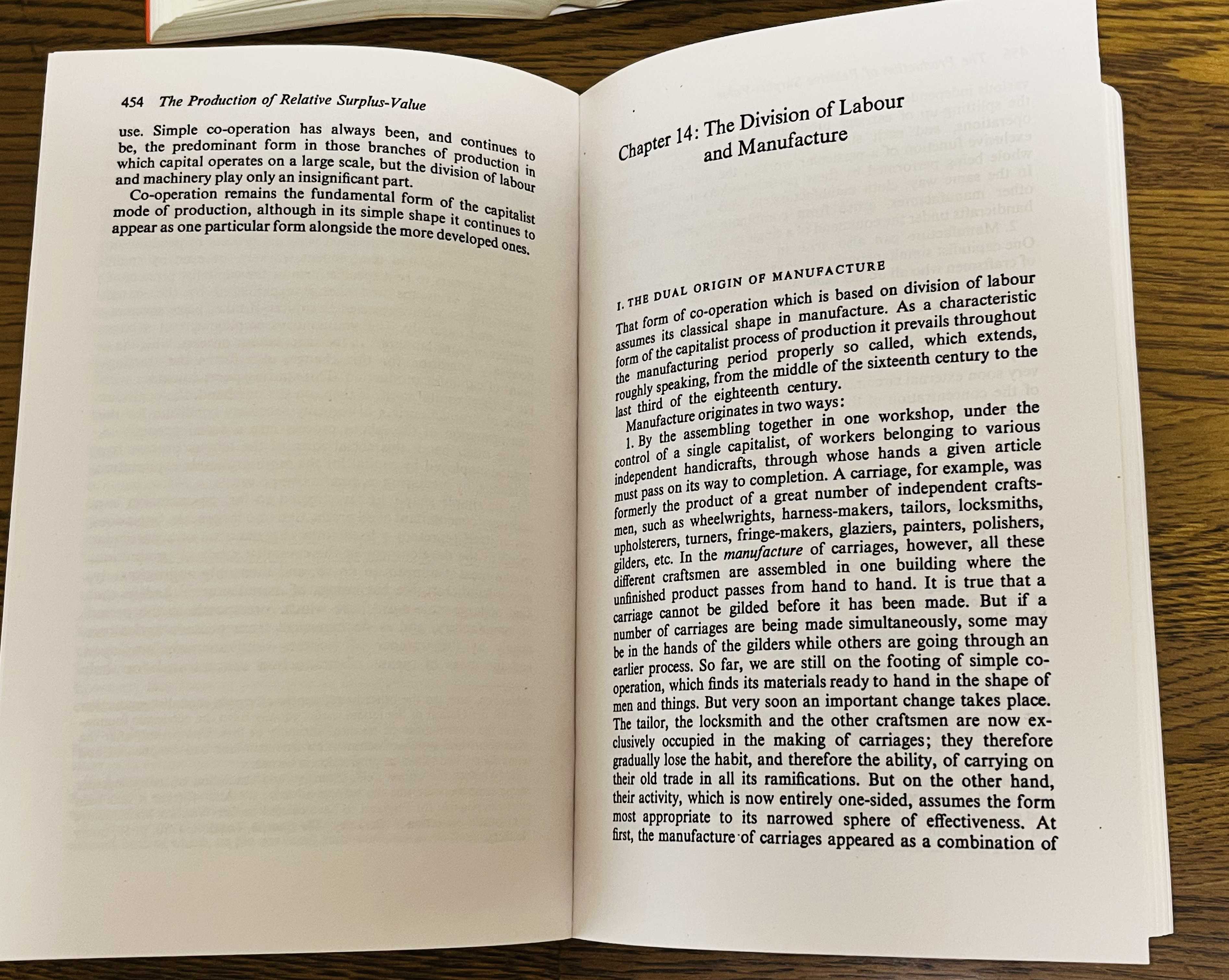
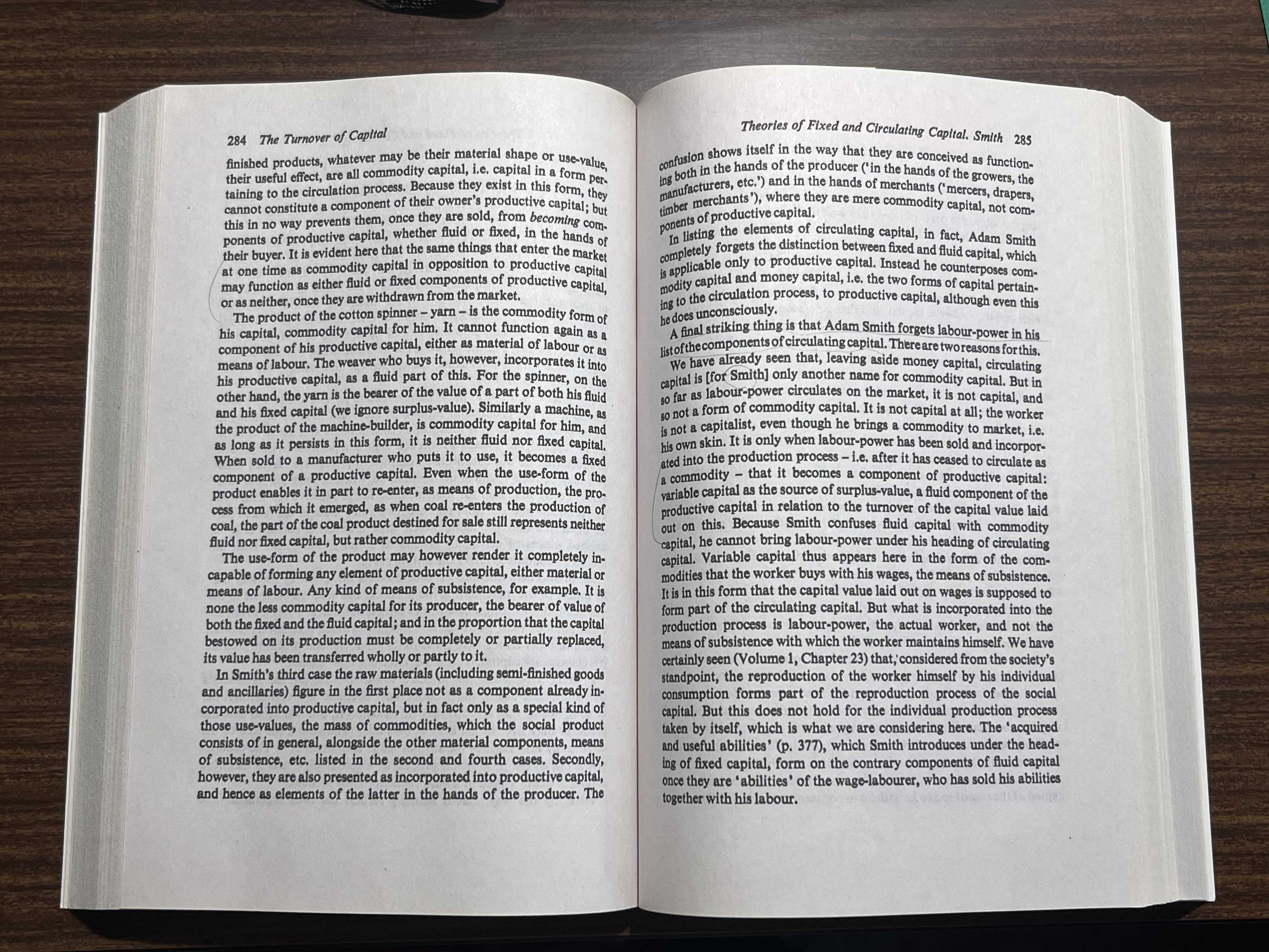
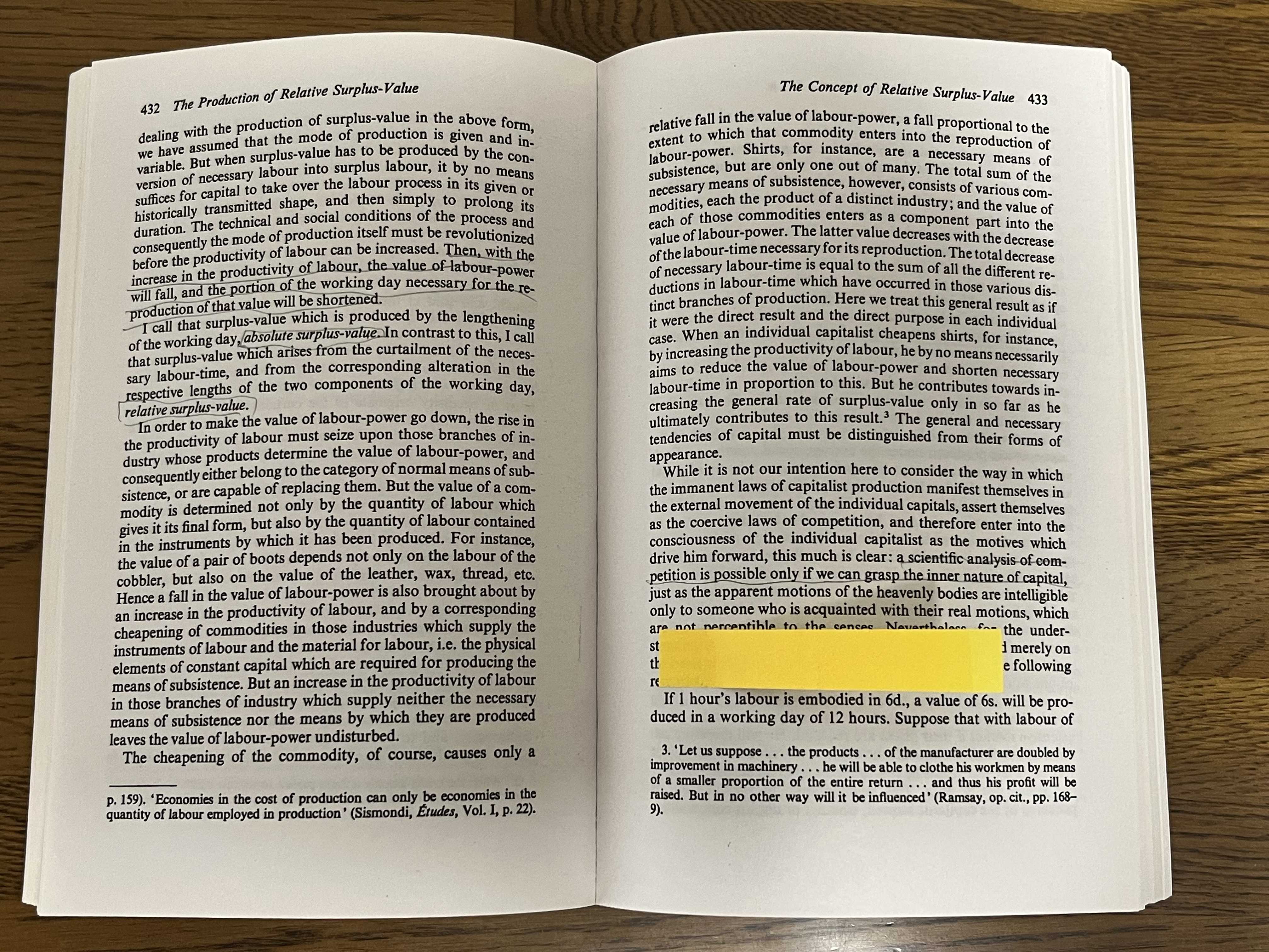
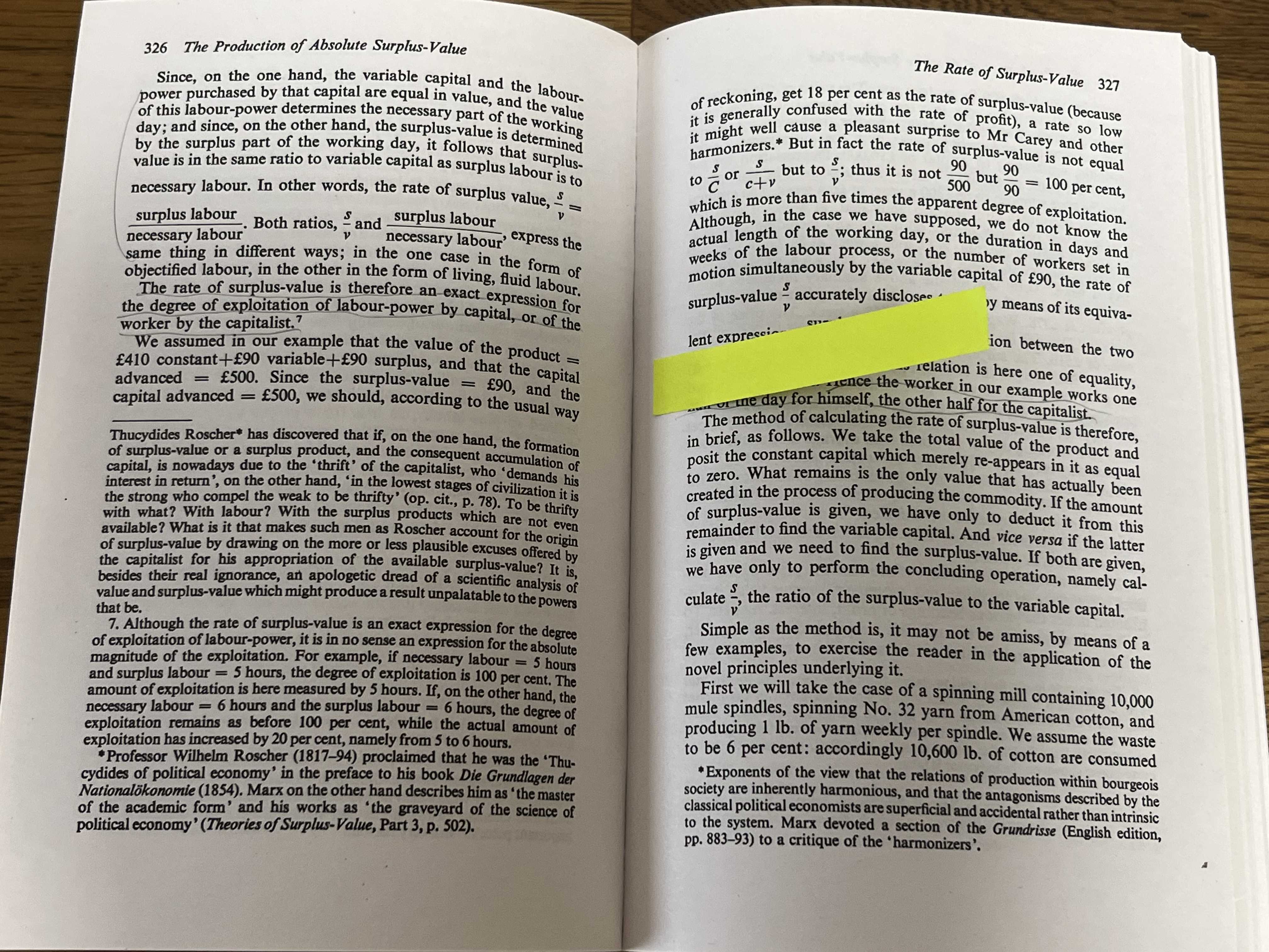
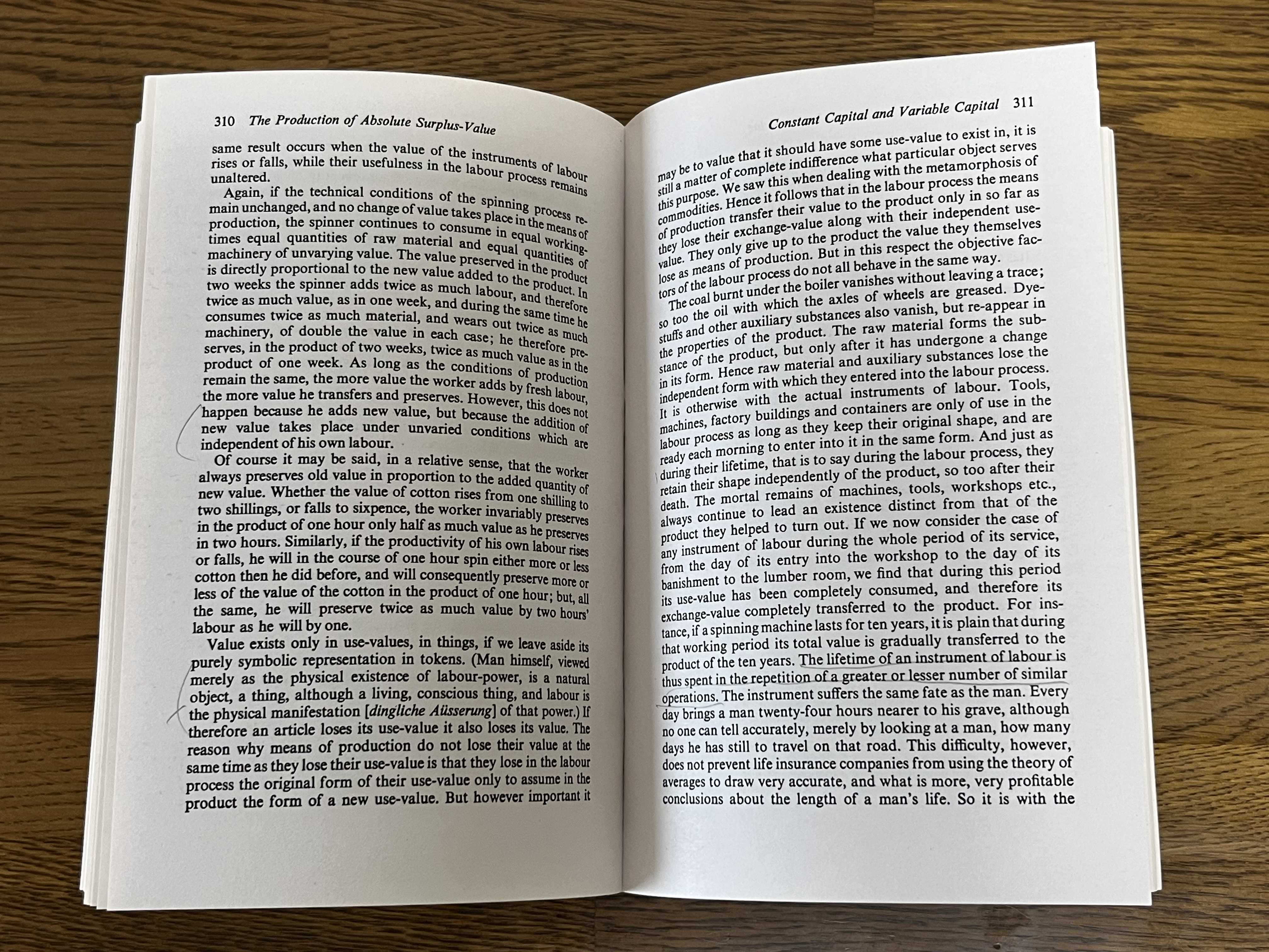
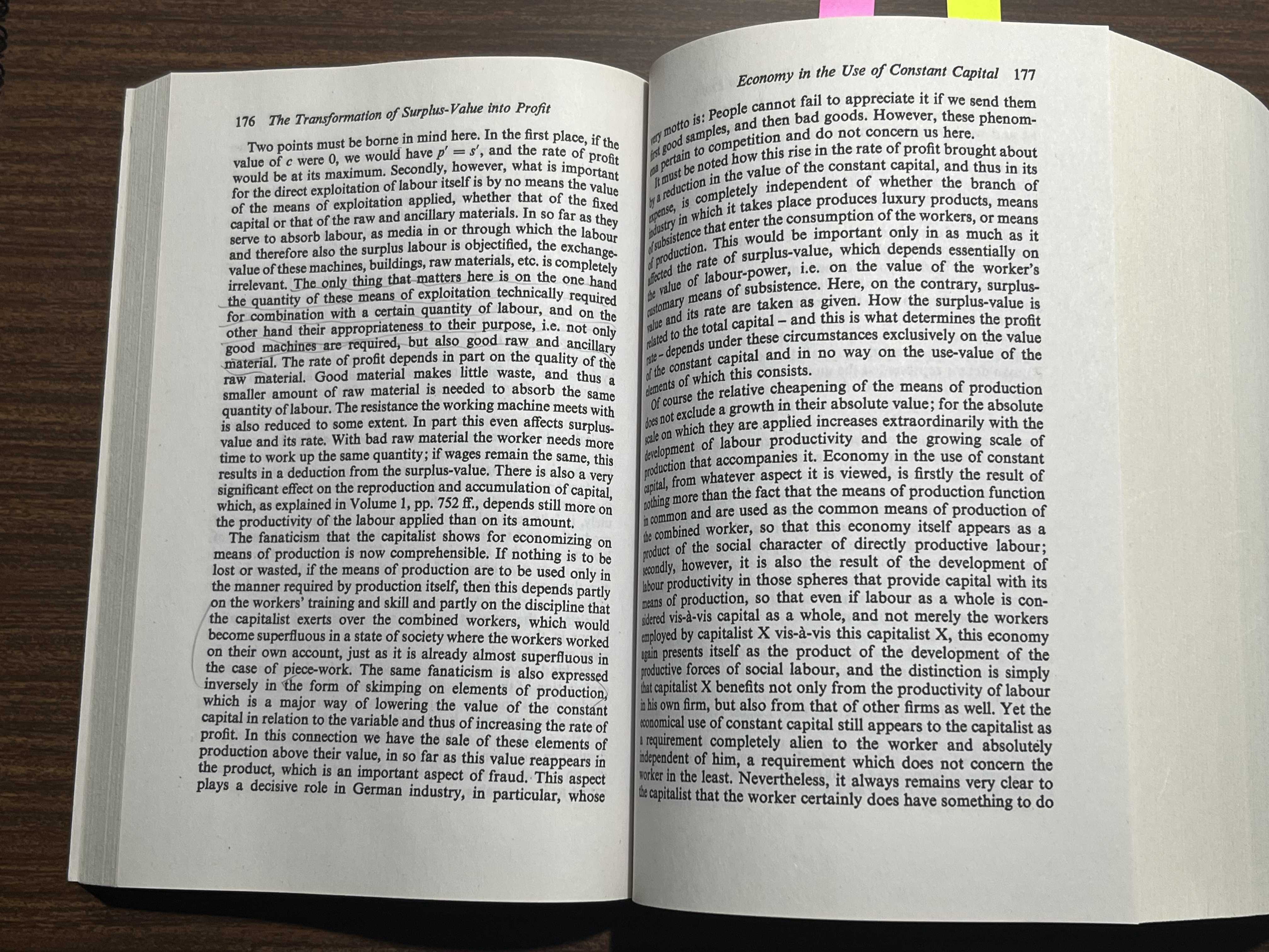
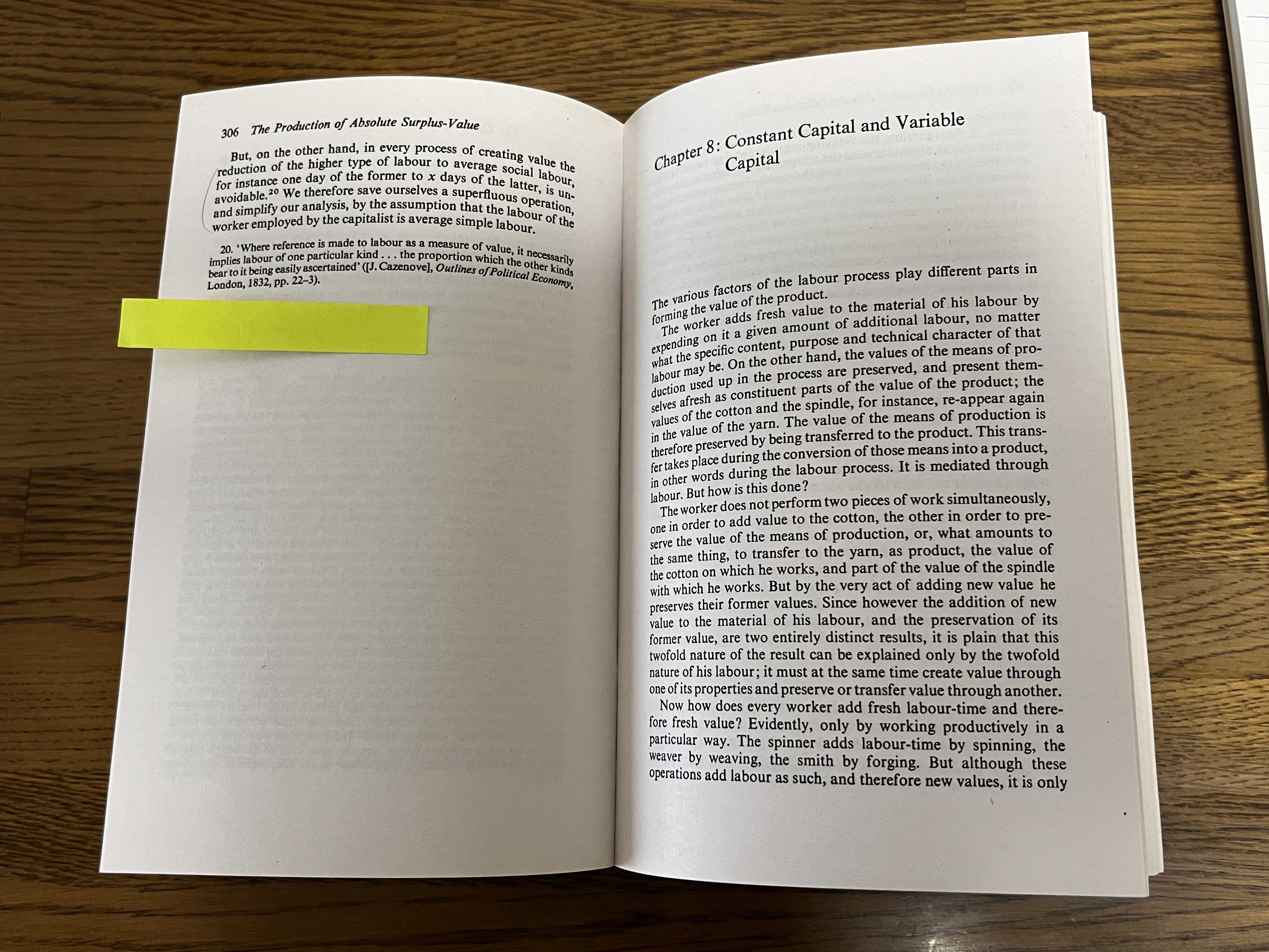
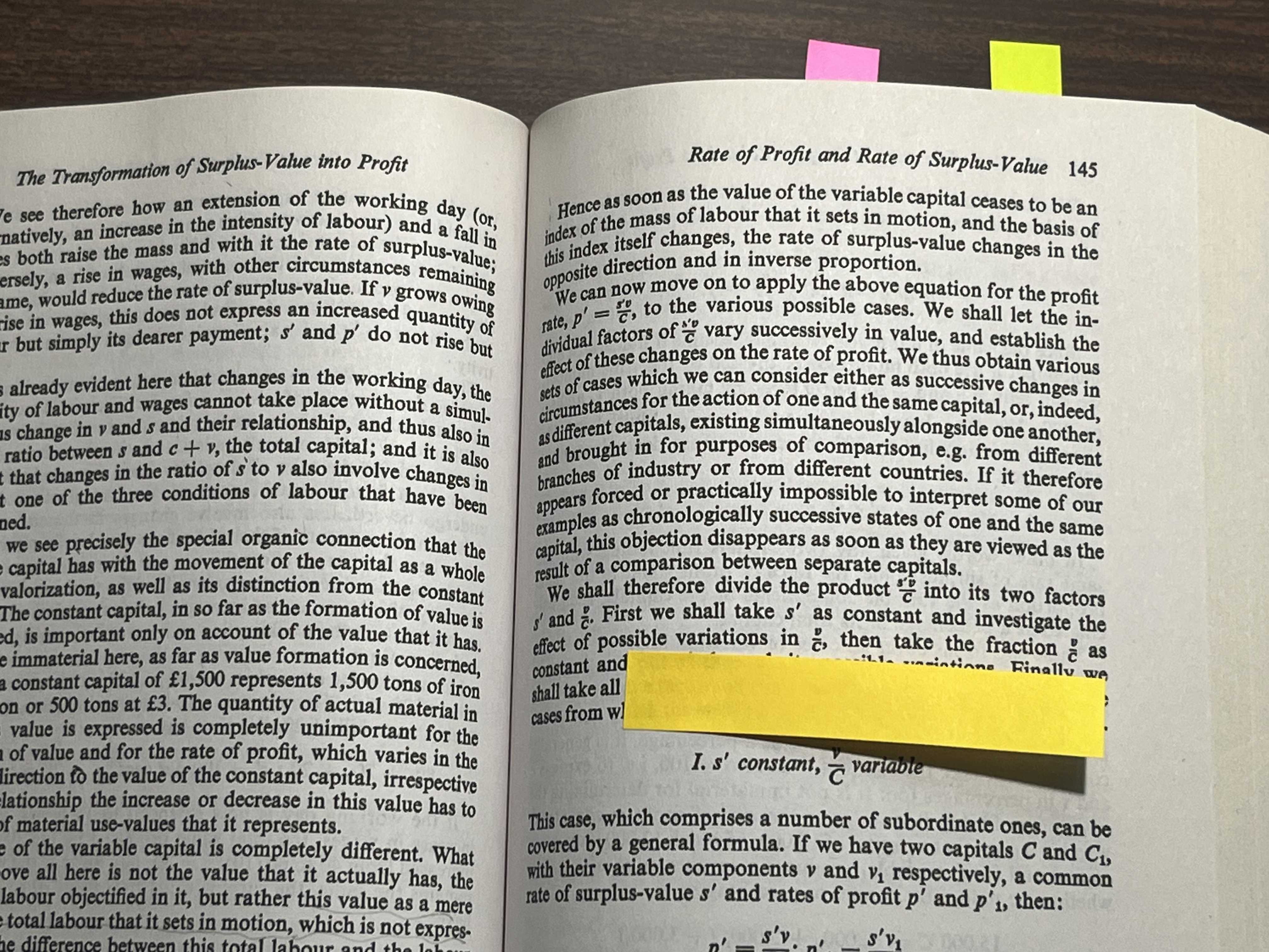
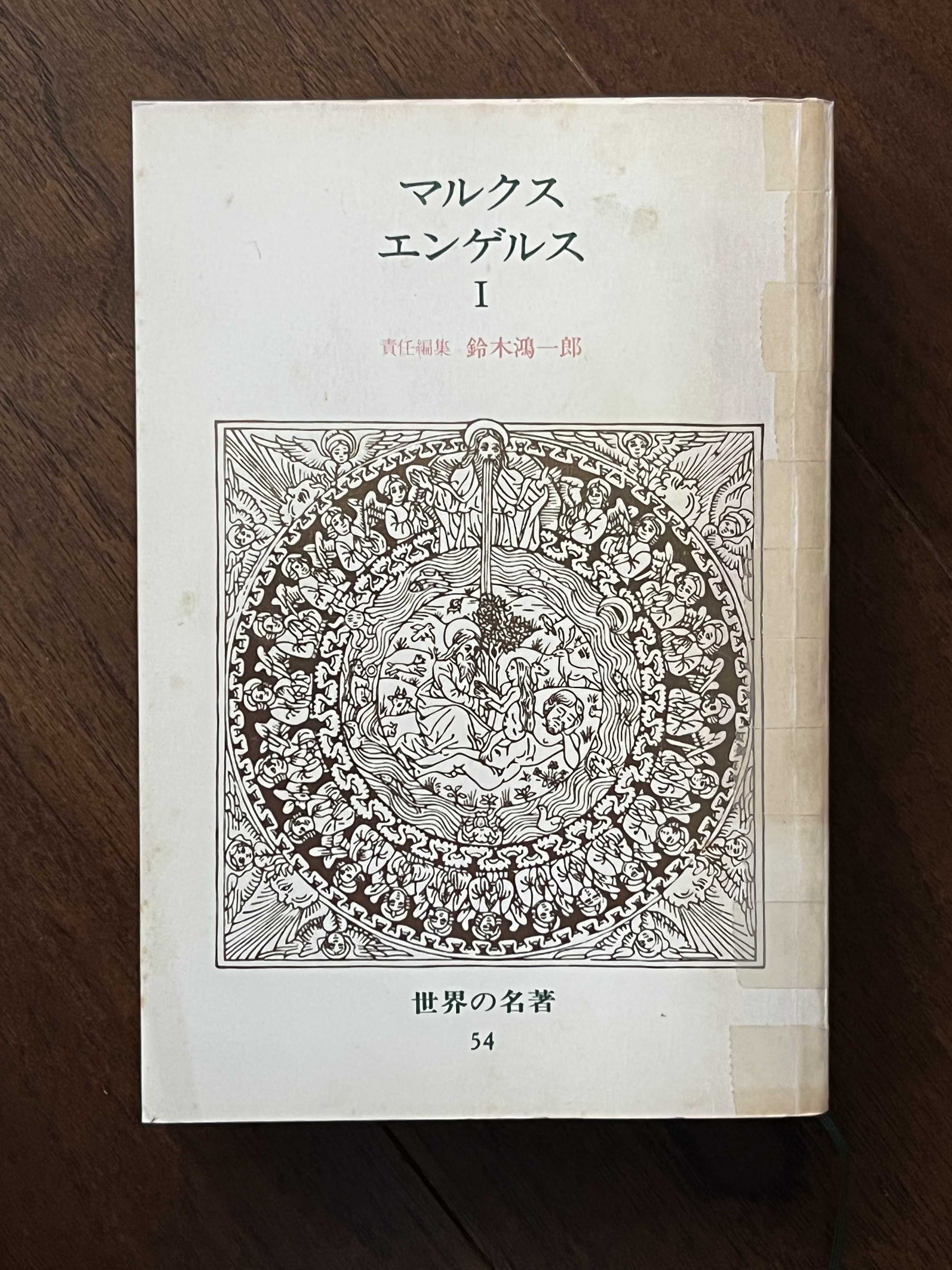
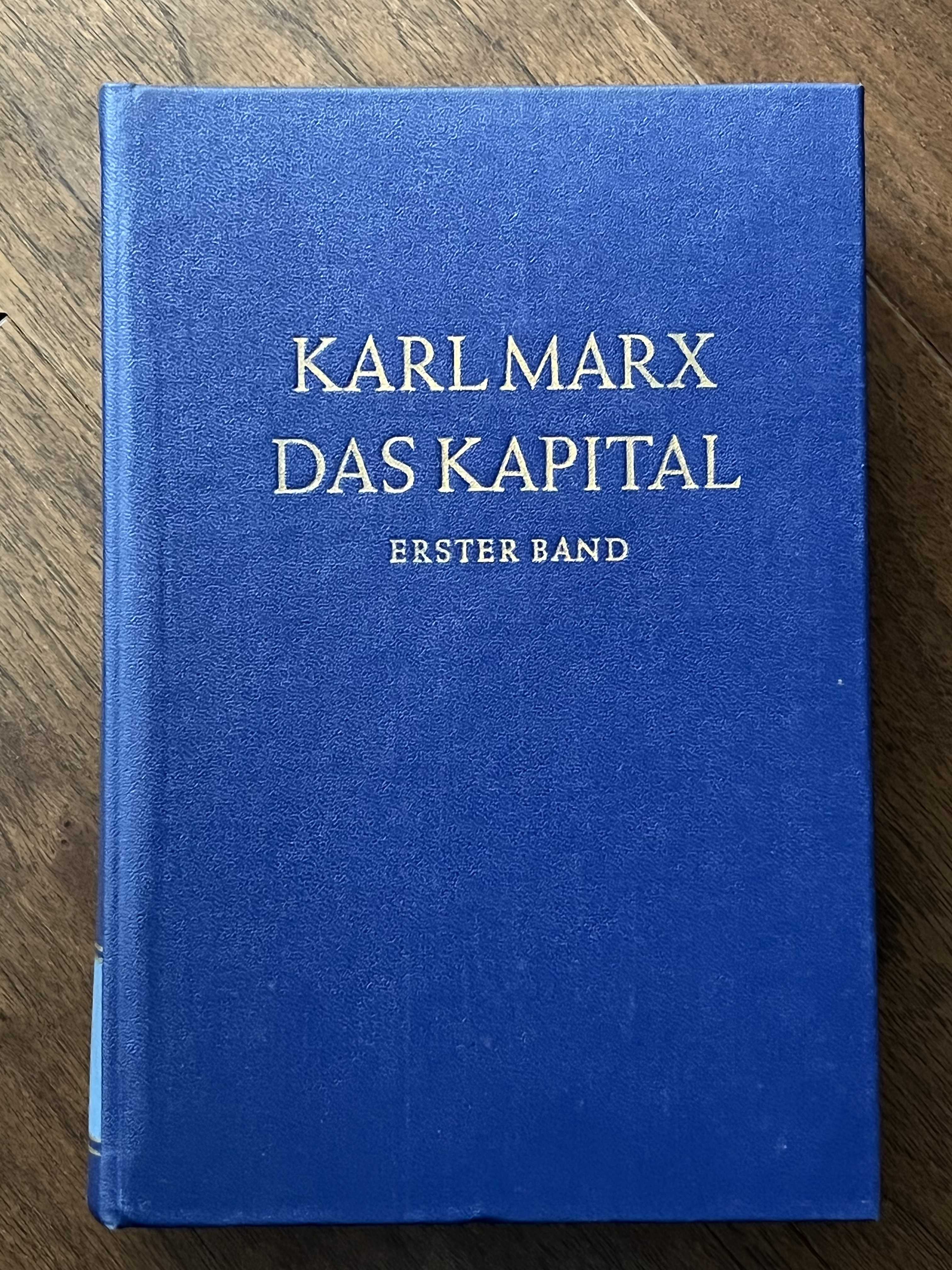
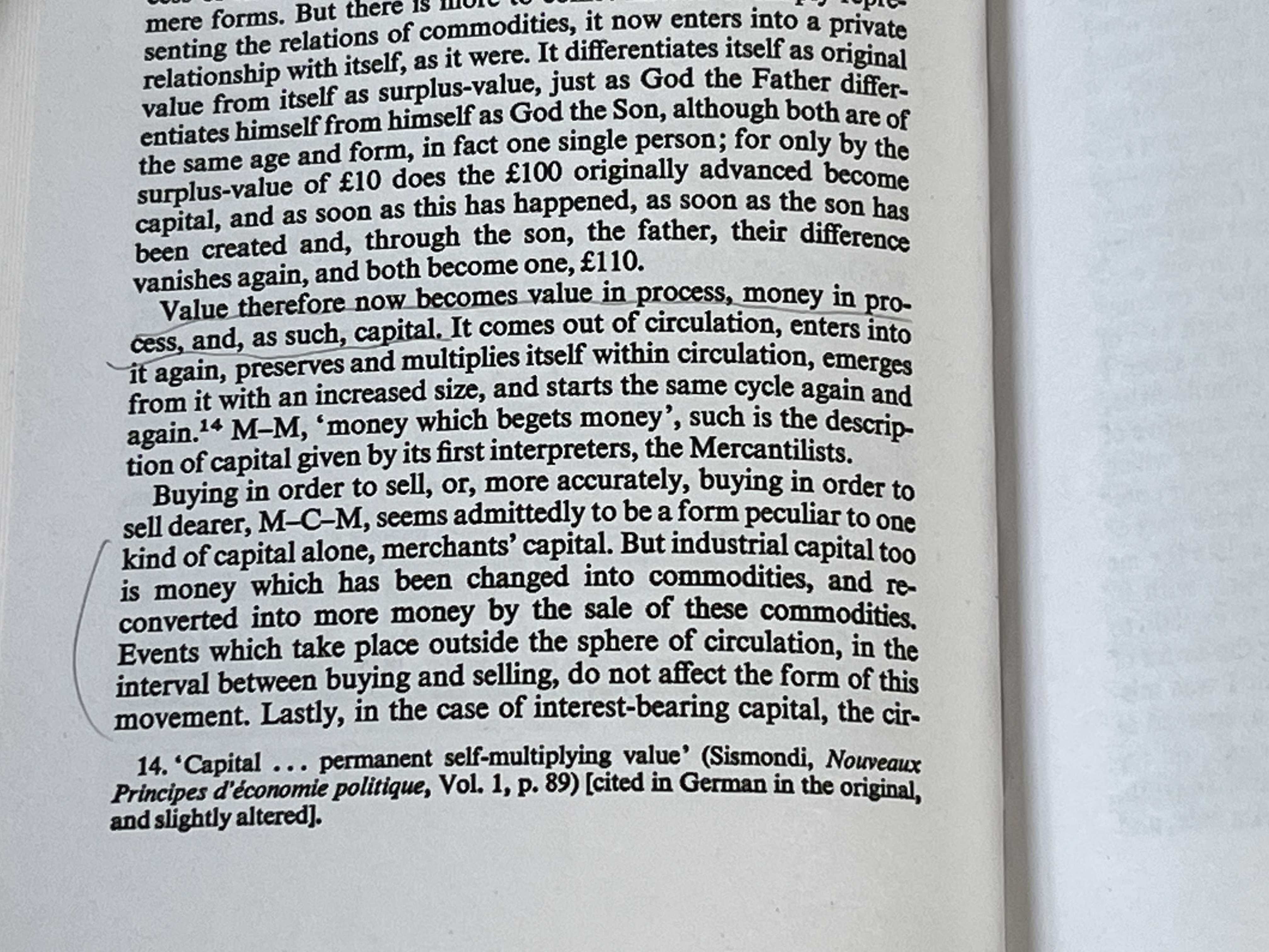
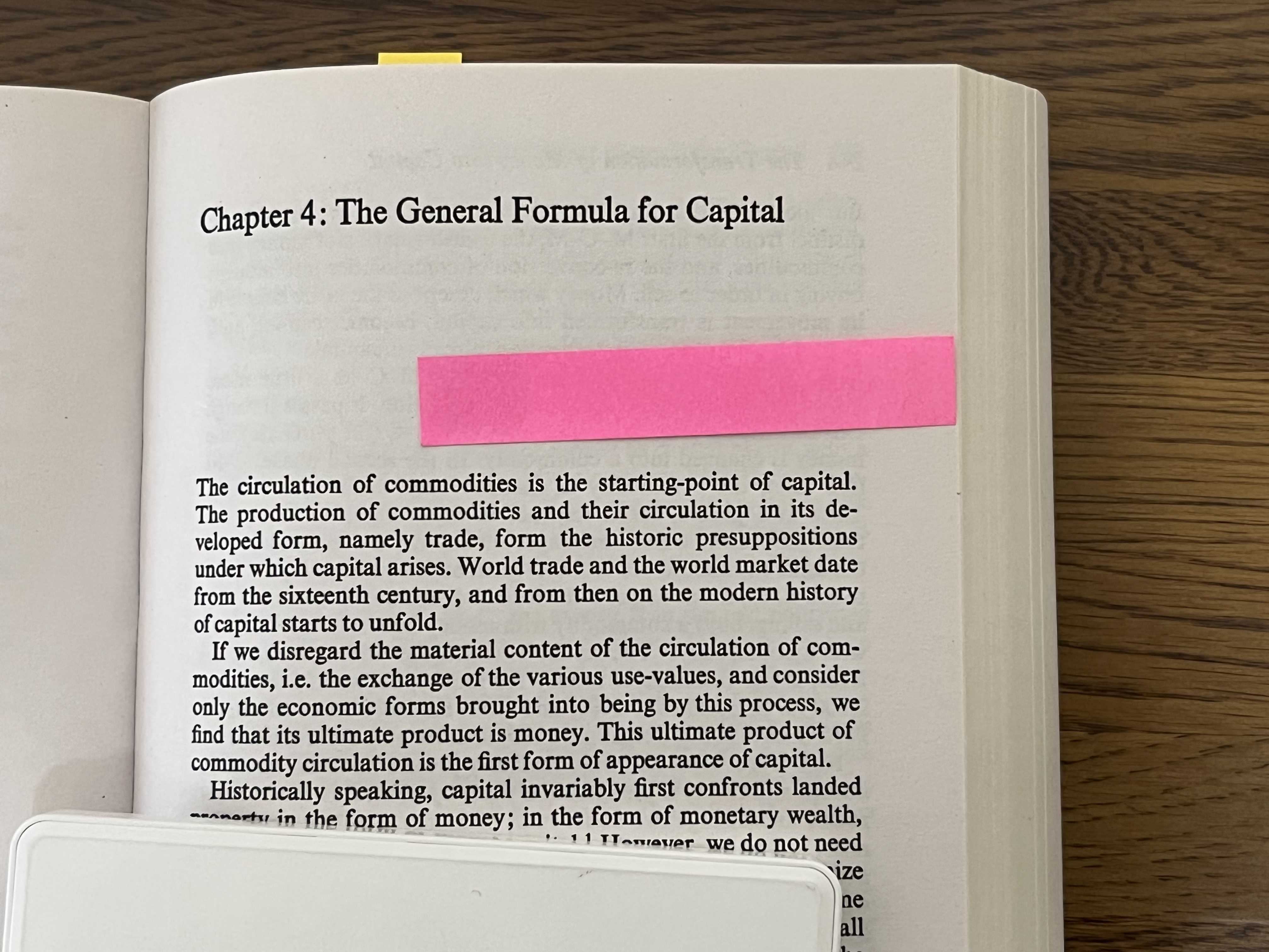
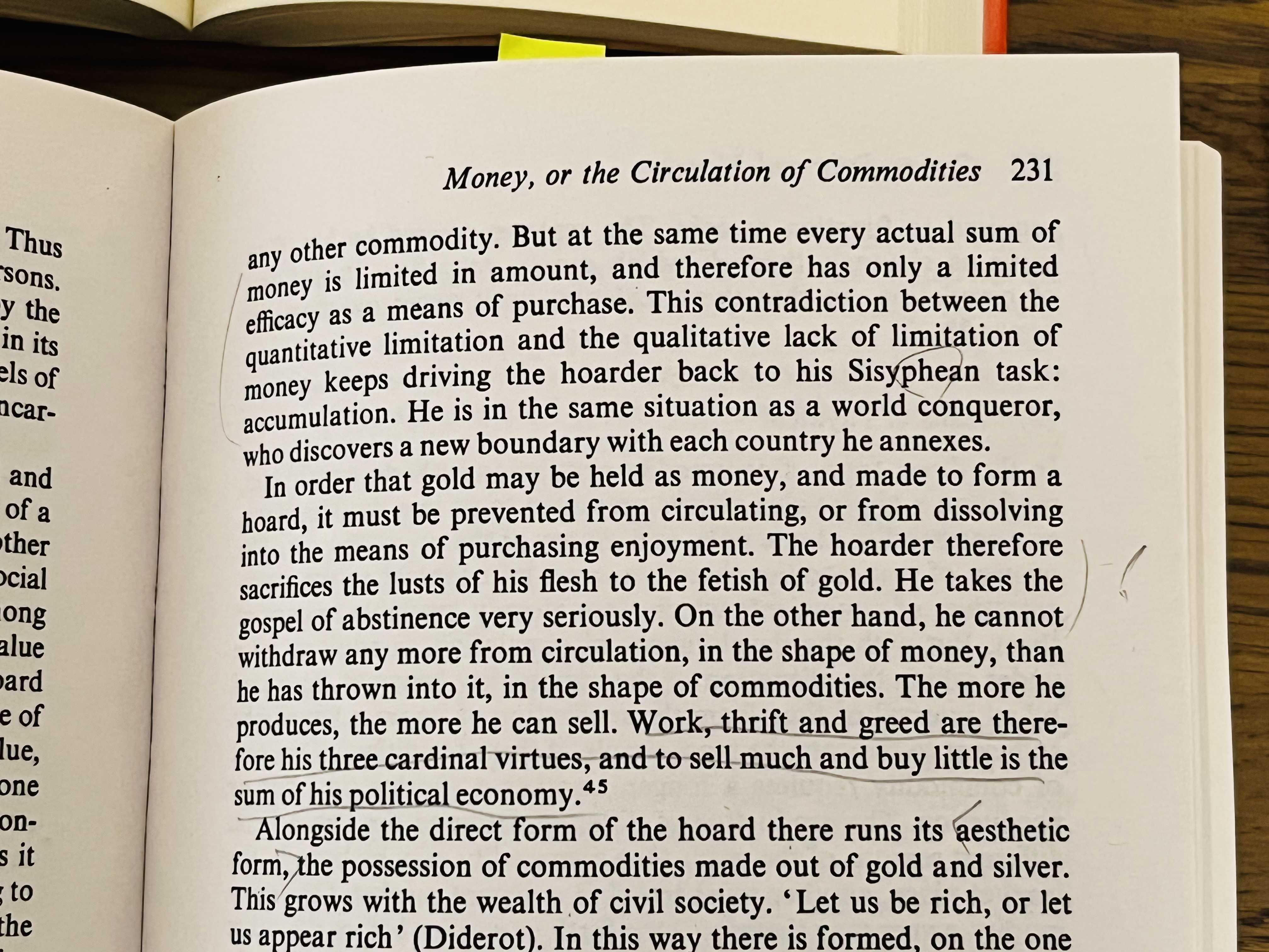
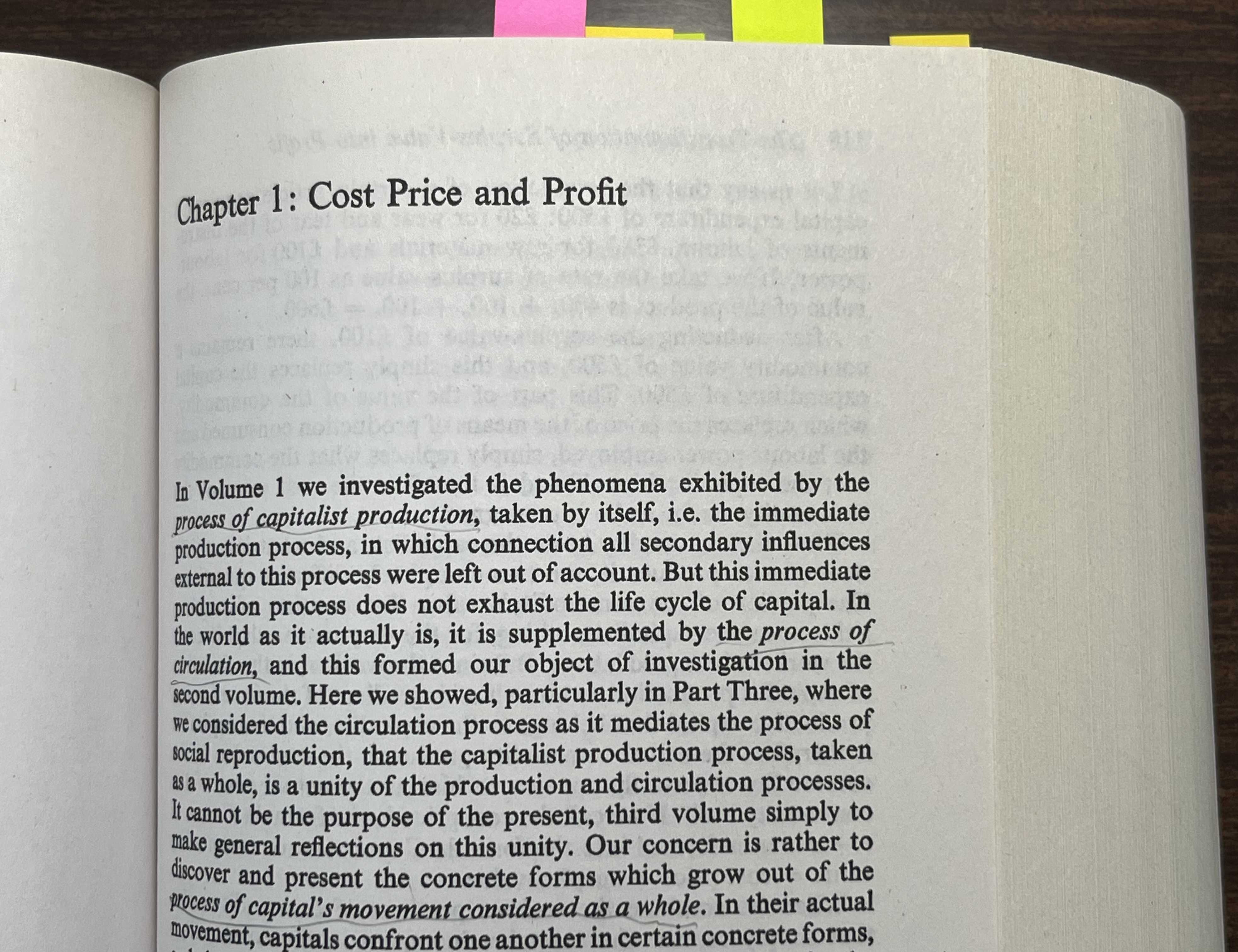
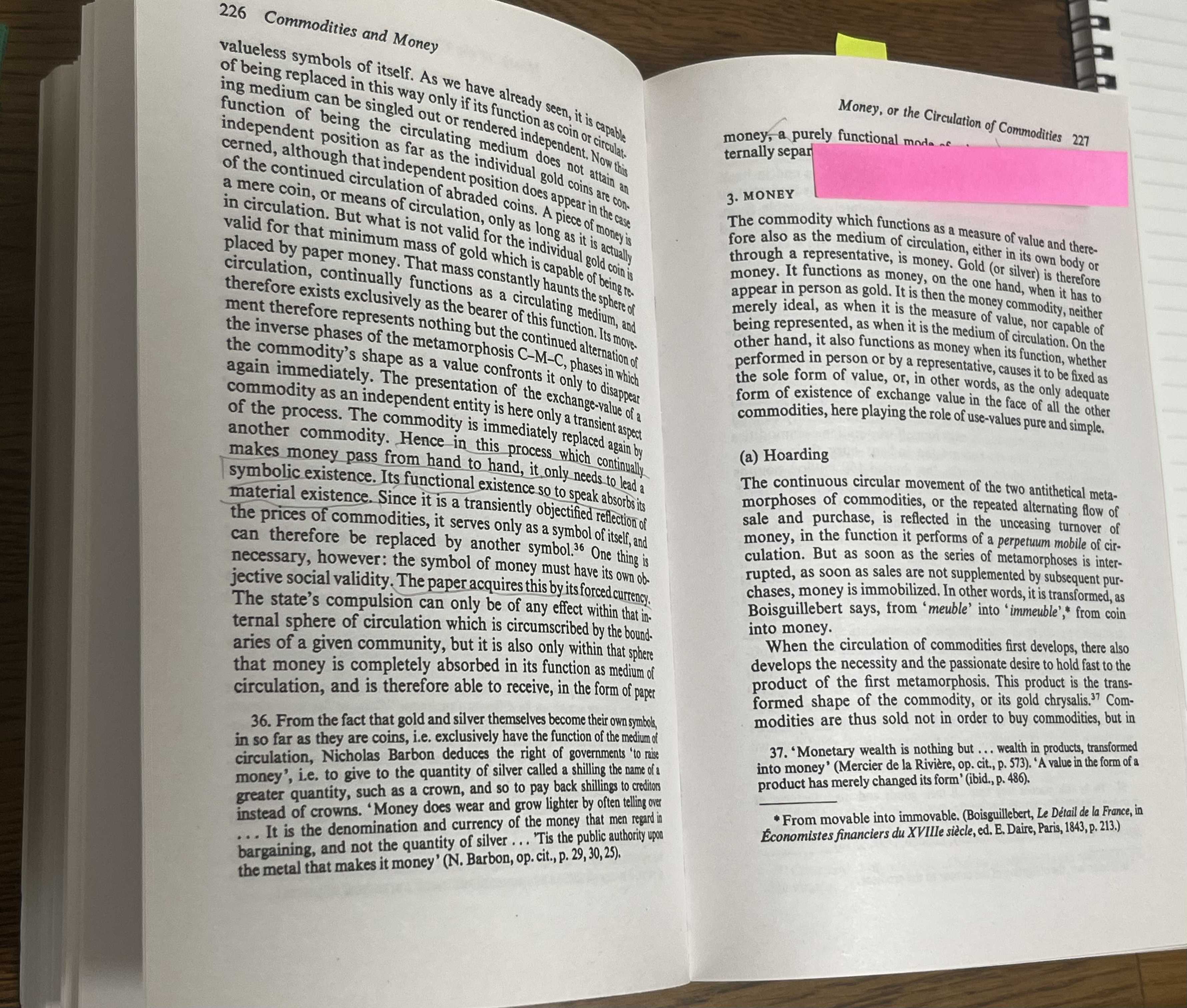
「資本論」は原書ドイツ語で読むべきか。
AIに質問したところ、次のような回答が届いた。んー、賛否両説挙げられていて、結論も的確で感心したな。"A Companion to Marx's Capital"なんてのも紹介してくれたよ。That is an excellent and ambitious question. The short answer is: It depends heavily on your goals and your proficiency in German.Let's break down the pros, the cons, and a realistic approach.The Case FOR Reading Das Kapital in German (The Pros)Authenticity and Nuance: This is the single biggest reason. All translation is interpretation. Many of Marx's key concepts are deeply rooted in German philosophy and language, and their full meaning can be diluted in English.Aufhebung: This Hegelian term is a classic example. It's often translated as "sublation," "abolition," "transcendence," or "supersession." In German, it simultaneously means to abolish, to preserve, and to lift up to a higher level. No single English word captures this dialectical triple meaning, which is crucial to Marx's method.Verdinglichung vs. Entfremdung: Often translated as "Reification" and "Alienation." While related, the German terms have distinct etymological and philosophical weights that are more apparent in the original.Begriff: Usually "concept," but in the Hegelian tradition, it implies a concept that is self-developing and dynamic, not a static category.Marx's Style and Rhetoric: Marx was a powerful writer. His German text is filled with sarcasm, literary allusions, polemical force, and a certain ponderous, academic rhythm. Much of this stylistic character is lost in translation. Reading it in German gives you a direct sense of Marx the author, not just Marx the theorist.Intellectual Context: Reading Das Kapital in German immerses you in the 19th-century German intellectual world from which it emerged. The sentence structures, vocabulary, and mode of argumentation are directly linked to the German Idealist tradition, especially Hegel. You feel the intellectual lineage more directly.The Ultimate Language Challenge: If your goal is to achieve an extremely high level of proficiency in academic German, there are few better mountains to climb. It will force you to master complex grammar, a vast vocabulary, and the specific discourse of German philosophy and economics.The Case AGAINST Reading Das Kapital in German (The Challenges)Extreme Linguistic Difficulty: This cannot be overstated. Das Kapital is difficult for native German speakers to read today.19th-Century German: The language is not modern. It uses some archaic vocabulary and grammatical constructions.Complex Sentence Structure (Satzbau): Marx, influenced by Hegel, uses incredibly long, nested sentences with multiple subordinate clauses. You might have to read a sentence several times just to figure out which noun the verb at the very end refers to.Academic and Philosophical Jargon (Fachsprache): The text is dense with the specialized vocabulary of classical economics and German Idealist philosophy.It Can Obscure the Meaning: If your primary goal is to understand Marx's economic and social theory, struggling with the language can be a major obstacle. You might spend so much energy decoding the German that you lose the thread of the actual argument. For understanding the core concepts, a good modern English translation (like the Penguin Classics version by Ben Fowkes) is often more efficient.Time and Frustration: This is not a casual reading project. It is a multi-year academic undertaking. It can be incredibly slow and frustrating, potentially leading you to give up on the text altogether.What is Your German Level? A Realistic AssessmentA1-B1: Absolutely not. Do not attempt this. You will not get past the first page.B2 (Upper Intermediate): You could begin to tackle it, but only with immense support. This would mean having an English translation side-by-side, a good dictionary, and a lot of patience. It would be a pure study project, not a "reading" experience.C1 (Advanced): This is the realistic minimum for reading Das Kapital with any degree of comprehension and flow. You will still need a dictionary and will likely have to re-read many passages, but you can follow the argument.C2 (Proficient/Fluent): This is the ideal level. You will be able to appreciate the stylistic nuances and engage with the text as a work of literature and philosophy, not just a linguistic puzzle.A Recommended Hybrid ApproachFor most people, even those with strong German, the best method is a comparative one:Get a Good English Translation: The Ben Fowkes (Penguin Classics) translation of Volume 1 is the standard and is highly regarded for its accuracy and extensive notes.Get the German Original: You can find the German text online for free (e.g., at the Marxists Internet Archive) or buy the Dietz Verlag Berlin edition.Read Them Side-by-Side: Read a chapter or section in English first to grasp the core argument. Then, read the same section in German. This way, you already have the conceptual framework and can focus on how Marx builds that argument in his own language.Focus on Key Passages: When you encounter a crucial concept (like the first chapter on the commodity), spend extra time dissecting the German original to understand the specific terminology.Start Smaller: Before diving into Das Kapital, try reading some of Marx's shorter, easier works in German, such as Das Kommunistische Manifest (The Communist Manifesto) or the Thesen über Feuerbach (Theses on Feuerbach). This will help you get accustomed to his style.Conclusion:Should you read Das Kapital in German?If your goal is simply to understand Marx's theory as efficiently as possible: No. Stick to a good English translation and supplementary materials (like David Harvey's "A Companion to Marx's Capital").If you have C1/C2 German and a deep interest in Marx, German philosophy, and the nuances of language: Yes, absolutely. It is a monumental but incredibly rewarding intellectual journey that will give you an understanding of the text that translation alone cannot provide.It is a marathon, not a sprint. Be realistic about the challenge, but don't be discouraged if the ambition is there. The side-by-side approach is the wisest path for almost everyone.